

Vitacon
Conheça a líder de mercado que está redefinindo a paisagem urbana de São Paulo.
Por Que Funciona



A Vitacon em Números
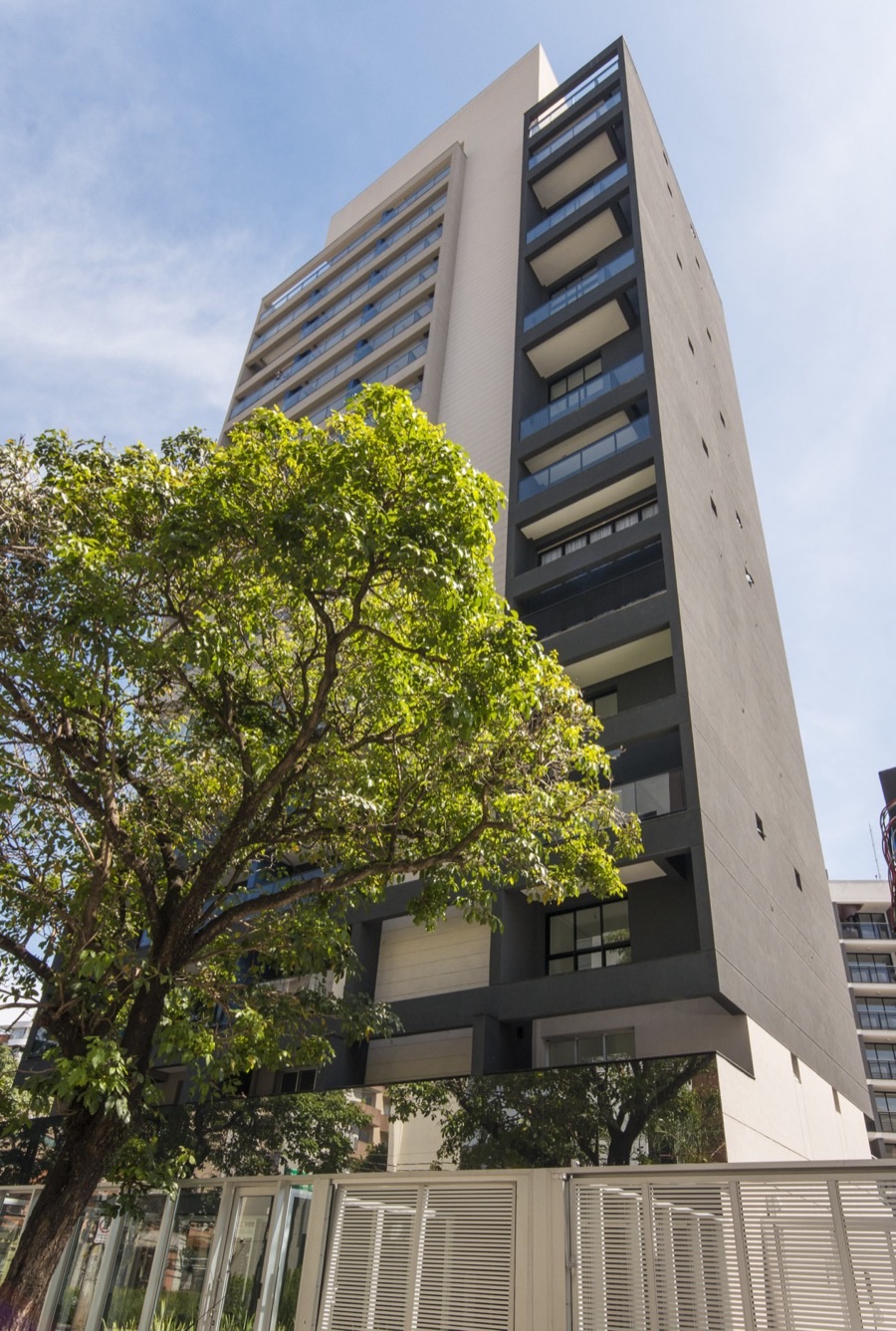
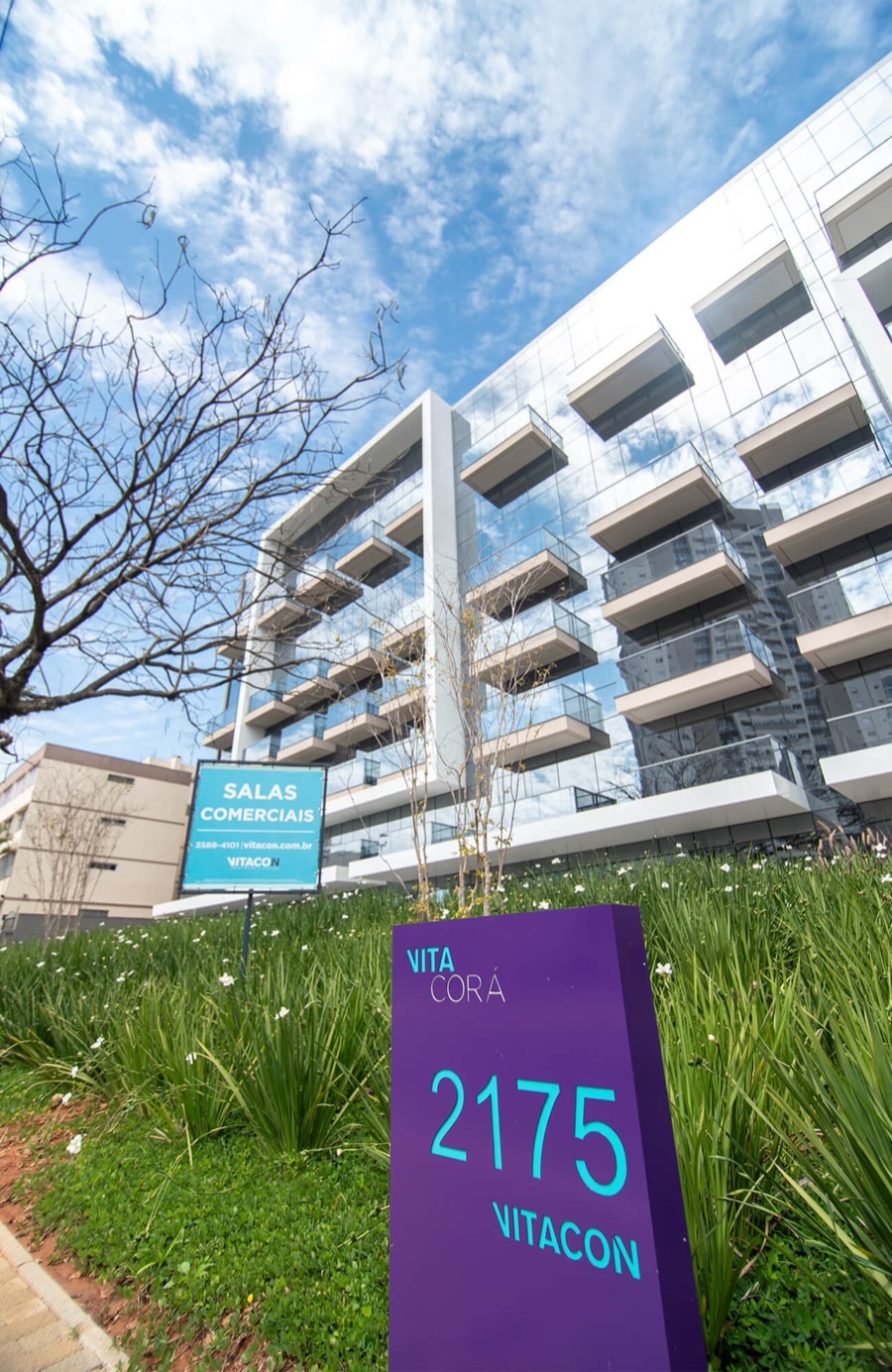
A ARD tem parceria exclusiva com a Vitacon, a principal incorporadora de projetos residenciais urbanos compactos de São Paulo. Por meio de design inovador, localizações privilegiadas e um ecossistema de locação orientado por tecnologia, a Vitacon se consolidou como líder de mercado em um dos maiores mercados residenciais do mundo.
Construída sobre mais de 30 anos de presença local em São Paulo, a ARD combina profundo conhecimento de mercado com relacionamentos duradouros, oferecendo aos investidores acesso a oportunidades normalmente indisponíveis ao capital internacional.
Reconhecida Por

Vitacon Lança Empreendimento de Moradia para a Terceira Idade de R$400 Milhões em São Paulo
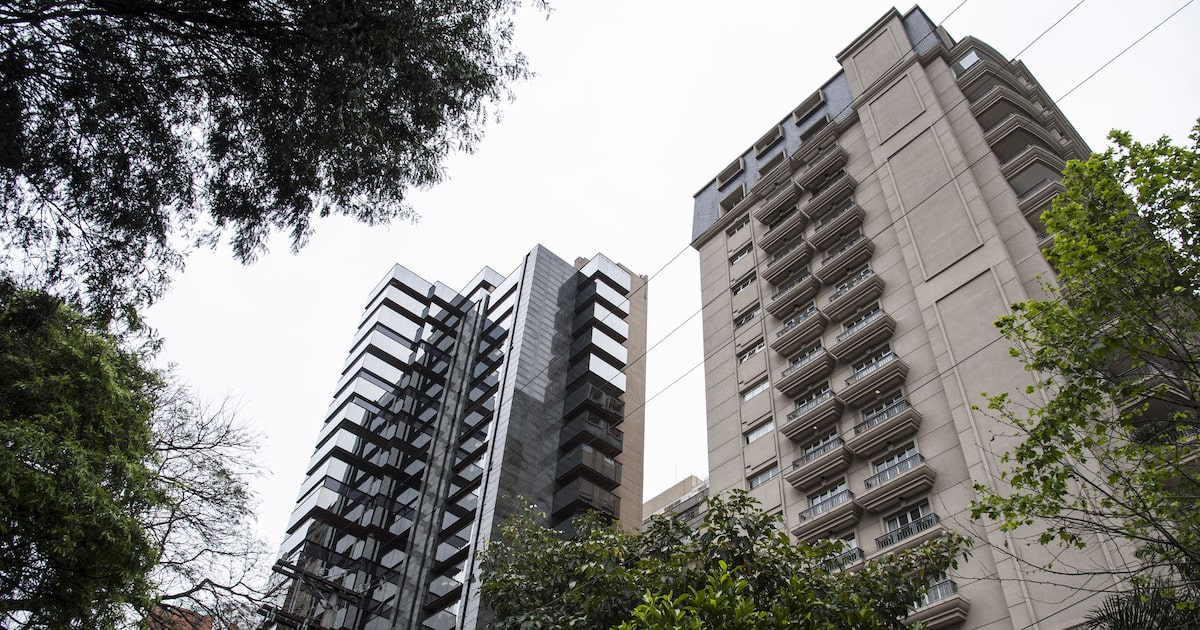
Vitacon Aposta em Apartamentos para a Terceira Idade em Meio a Mudança Demográfica

“O Studio Veio para Ficar, Não é uma Tendência” — Ariel Frankel, CEO da Vitacon
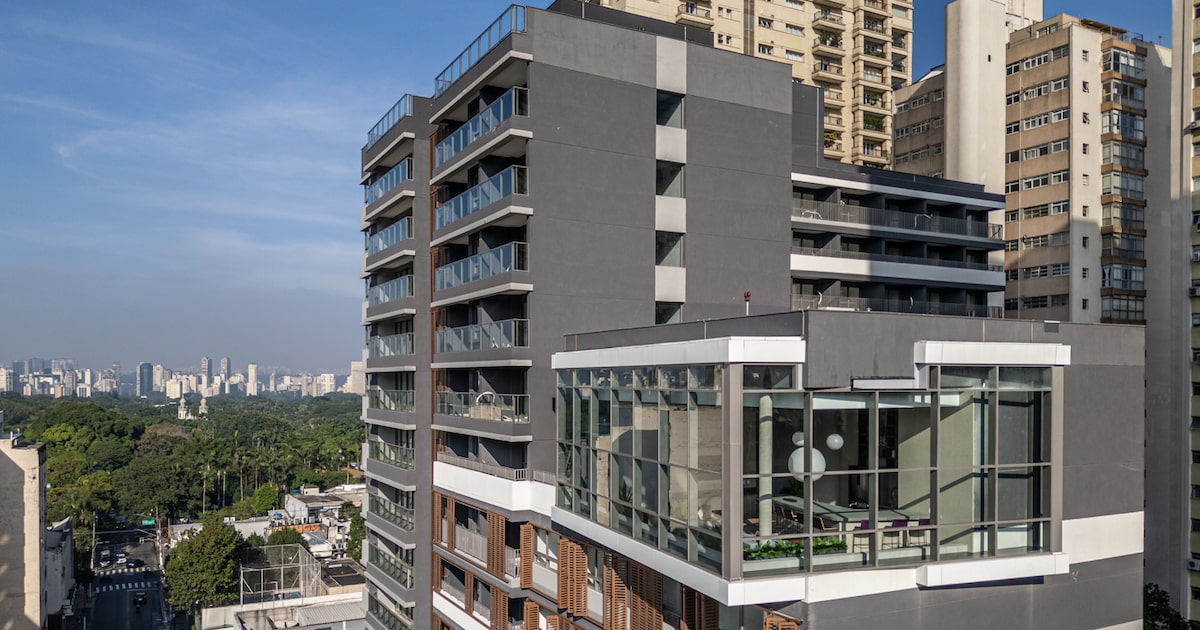
'Efeito Reboucas': Vitacon Aposta na Augusta como o Próximo Grande Corredor de São Paulo

Housi e Vitacon Anunciam Edifício de R$200 Milhões Perto do Allianz Parque
Vitacon Lança Empreendimento de Moradia para a Terceira Idade de R$400 Milhões em São Paulo
Vitacon Aposta em Apartamentos para a Terceira Idade em Meio a Mudança Demográfica
“O Studio Veio para Ficar, Não é uma Tendência” — Ariel Frankel, CEO da Vitacon
'Efeito Reboucas': Vitacon Aposta na Augusta como o Próximo Grande Corredor de São Paulo
Housi e Vitacon Anunciam Edifício de R$200 Milhões Perto do Allianz Parque

Quer Saber Mais?

Tem Dúvidas?
Nossos investimentos e operações têm base no Brasil, o que significa que os ativos subjacentes são avaliados em Reais (BRL). Consequentemente, o retorno final convertido novamente para Euros fica exposto às variações da taxa de câmbio EUR/BRL. Embora o Brasil conte com um Banco Central autônomo que administra sua política monetária e a estabilidade da moeda, os investidores devem considerar os riscos padrão de flutuação cambial ao avaliar seus retornos esperados. Isso pode ser positivo ou negativo.
Assim como em qualquer mercado dinâmico, a inflação é um fator econômico padrão. O Banco Central do Brasil monitora ativamente e responde às pressões inflacionárias, com previsões atuais entre 4,5% e 4,7% para 2025 e 2026. Embora o setor imobiliário costume acompanhar a inflação, picos inflacionários repentinos ou prolongados podem impactar os custos de construção e o poder de compra local, que são riscos inerentes ao processo de desenvolvimento.
O Brasil opera como uma democracia madura, com estruturas jurídicas consolidadas, e mantém uma postura neutra no comércio global, o que o torna um parceiro estratégico para a Europa e os EUA. No entanto, investir internacionalmente sempre envolve exposição às dinâmicas macroeconômicas e políticas locais. Mudanças nas políticas governamentais, nas estruturas tributárias locais ou nas regulamentações econômicas são riscos sistêmicos que podem influenciar o mercado imobiliário como um todo.
Nosso modelo de desenvolvimento com pré-venda acelerada envolve diversos riscos padrão do setor imobiliário e de operações internacionais:
Risco de Conclusão: O risco inerente a qualquer fase de construção, incluindo possíveis atrasos, interrupções na cadeia de suprimentos ou variações de custo durante o desenvolvimento.
Risco de Liquidez: O setor imobiliário é uma classe de ativos ilíquida. Embora nosso modelo tenha como foco a geração de fluxo de caixa durante o desenvolvimento, o capital investido permanece comprometido durante todo o ciclo do projeto.
Risco Regulatório e Legal: Operar internacionalmente exige conformidade com os marcos regulatórios financeiros tanto brasileiros quanto europeus, que estão sujeitos a possíveis mudanças legislativas ao longo do tempo.
Risco de Mercado: A dinâmica geral do mercado e a demanda dos consumidores podem oscilar, o que pode impactar o ritmo de vendas das unidades e os retornos gerais do projeto.
Nossa estratégia principal de saída é impulsionada pela pré-venda das unidades imobiliárias desenvolvidas, um modelo projetado para gerar fluxo de caixa estrutural ao longo de toda a fase de construção. O principal risco dessa estratégia é uma possível desaceleração do mercado, que poderia afetar o ritmo de vendas previsto ou os preços finais das unidades. Além disso, a finalização da saída envolve a repatriação de capital e lucros do Brasil para a Europa; esse processo está sujeito a regulamentações internacionais de transferência, às condições de mercado vigentes e às taxas de câmbio no momento da transferência.
