

Funds

São Paulo Residential Fund Overview


Investment Philosophy of ARD
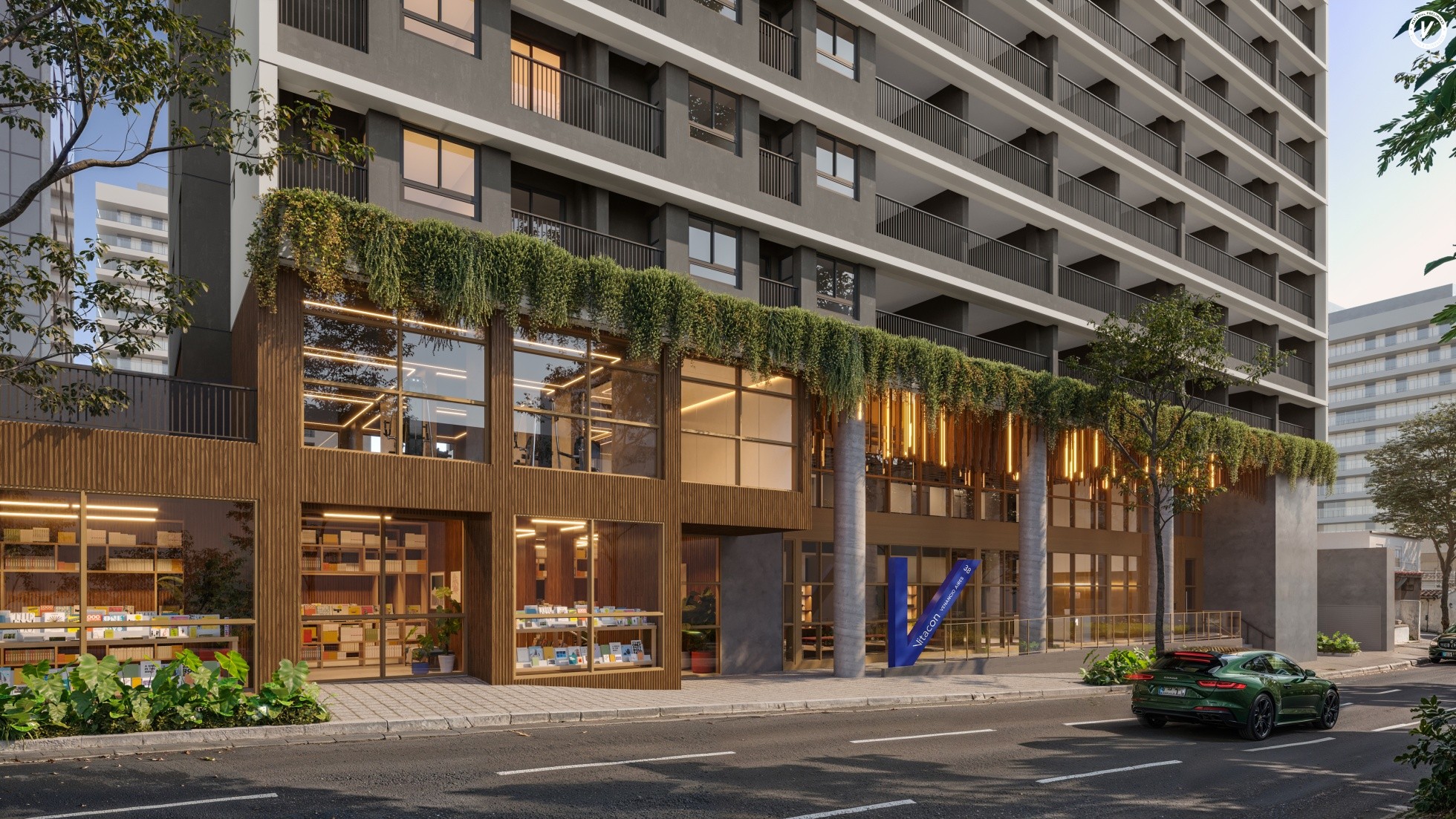
At ARD Capital, we believe the best investments create value beyond financial returns. We provide capital to São Paulo’s real estate market, where strong demand for well-located housing meets a shortage of development financing. As Latin America’s economic hub, São Paulo continues to grow through innovative residential development.
High interest rates make traditional financing difficult to access, even for strong developers. We bridge this gap by partnering with Vitacon, one of São Paulo’s leading residential developers. Every project is carefully reviewed by our Dutch and Brazilian team against our strict risk-return criteria and backed by extensive due diligence, a 48-month investment horizon, and construction insurance from a first-rank Brazilian insurer.
Our model combines monthly interest income with participation in project upside, aligning investor returns with successful developments while contributing to the continued transformation of São Paulo.

Want to Know More?

Got Questions?
Our investments and operations are based in Brazil, meaning the underlying assets are valued in Brazilian Real (BRL). Consequently, the final return converted back to Euros is exposed to EUR/BRL exchange rate movements. While Brazil has an autonomous Central Bank managing its monetary policy and currency stability, investors should factor in standard currency fluctuation risks when evaluating their expected returns. This can be positive or negative.
As with any dynamic market, inflation is a standard economic factor. Brazil’s Central Bank actively monitors and responds to inflationary pressures, with current forecasts around 4.5% to 4.7% for 2025 and 2026. While real estate often moves in tandem with inflation, sudden or prolonged inflationary spikes can impact construction costs and local purchasing power, which are inherent risks in the development process.
Brazil operates as a mature democracy with established legal frameworks and maintains a neutral stance in global trade, making it a key partner for Europe and the US. However, investing internationally always involves exposure to local macroeconomic and political dynamics. Changes in government policies, local tax structures, or economic regulations are systemic risks that can influence the broader real estate market.
Our rapid pre-sale development model involves several standard real estate and cross-border risks:
Completion Risk: The inherent risk associated with any construction phase, including potential delays, supply chain disruptions, or cost variations during development.
Liquidity Risk: Real estate is an illiquid asset class. While our model focuses on generating cash flow during development, the invested capital remains tied up for the duration of the project cycle.
Regulatory & Legal Risk: Operating internationally requires adherence to both Brazilian and European financial frameworks, which are subject to potential legislative changes over time.
Market Risk: General market dynamics and consumer demand can fluctuate, which may impact the sales pace of the units and the overall project returns.
Our core exit strategy is driven by the pre-sale of developed real estate units, a model designed to generate structural cash flow throughout the construction phase. The primary risk to this strategy is a potential market slowdown, which could affect the anticipated sales pace or final unit prices. Furthermore, finalizing the exit involves repatriating capital and profits from Brazil to Europe; this process is subject to international transfer regulations, prevailing market conditions, and exchange rates at the time of the transfer.
